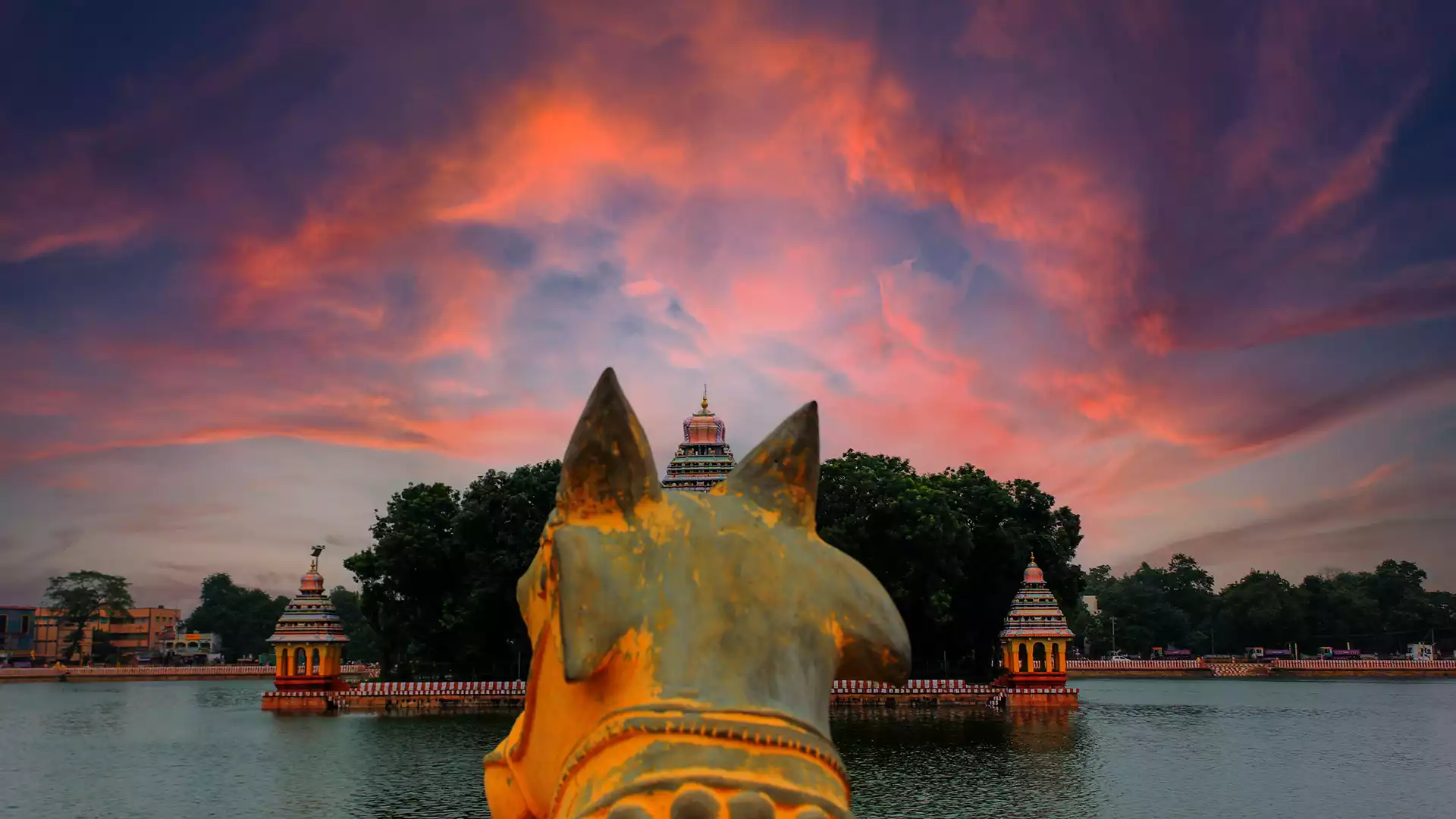
The Chithirai Tiruvizha stands as one of Madurai’s longest and most iconic festivals, stretching through almost an entire month each spring. Known internationally as the Athens of the East, Madurai is celebrated for its ancient civilization, distinctive architecture, and the Meenakshi Amman Temple that anchors the city’s cultural identity.
“Chithirai Tiruvizha is not just a festival; it’s the living memory of Madurai.” — Temple official.
Central to the festival is the legend of Goddess Meenakshi, a form of Parvati, and Lord Sundareswarar, an incarnation of Shiva. The event is seen as a symbolic bridge between Saivism and Vaishnavism, embodying unity through the celestial wedding narrative—Meenakshi weds Sundareswarar. Pilgrims and locals alike travel in vast numbers to witness and participate in the rituals.
The celestial wedding is complemented by a suite of religious ceremonies and social activities. Thousands of women volunteer to prepare food for the massive crowds, reflecting the festival’s spirit of community service. A standout moment is Ethir Sevai, where Lord Azhagar arrives on a golden horse bearing gifts, drawing spectators to the city’s outskirts for a grand welcome.
“The tradition of Ethir Sevai showcases the city’s spirit of hospitality and unity.” — Cultural commentator.
Beyond the rites, the festival features exhibitions, cultural events, and culinary experiences that showcase Madurai’s hospitality and architectural grandeur. The Meenakshi temple, famed for its intricate sculpture work and monumental history, continues to be the heartbeat of the celebrations, drawing visitors from across the region and beyond.
Historically, the festival has deep roots in ancient Tamil traditions, with references in Sangam literature and Pandya inscriptions. These connections underscore Madurai’s enduring status as a premier cultural and religious center in South India. The annual event not only celebrates mythic marriage but also highlights Madurai’s role as a living repository of Tamil heritage.
In sum, the Chithirai Tiruvizha is more than a religious observance. It is a month-long cultural immersion that blends sacred rites, architectural marvels, and communal celebrations, reinforcing Madurai’s claim as a historic city with global resonance.
Summary
- The Chithirai Tiruvizha is a month-long festival anchored by the Meenakshi Amman Temple in Madurai.
- It is linked to the legendary marriage of Goddess Meenakshi and Lord Sundareswarar, symbolizing unity between Saivism and Vaishnavism.
- The festival is celebrated amid architectural splendor and social rituals, drawing a large audience each year.
- Madurai’s identity as a historic cultural hub is emphasized through its temples and heritage.
FAQ
- What is Chithirai Tiruvizha?
- It is a month-long temple festival in Madurai celebrating the divine marriage of Goddess Meenakshi and Lord Sundareswarar, blending Shaivism and Vaishnavism.
- When does it take place?
- The festival runs from mid-April to early May, typically spanning about 15 days.
- Where is the epicenter?
- The Meenakshi Amman Temple in Madurai anchors the celebrations, with events spilling into city streets and riverbanks.
- How many people attend?
- The festival attracts millions of worshippers and visitors from across Tamil Nadu and beyond.
- What are the key highlights?
- The celestial wedding (Meenakshi Thirukalyanam), the coronation, chariot processions, and the journey of Kallazhagar (Alagar) into the Vaigai River.
- What cultural significance does it hold?
- It unites Shaivite and Vaishnavite traditions, showcasing Tamil religious harmony and centuries-old temple heritage.
- How should visitors plan their visit?
- Plan ahead for accommodation, arrive early for major processions, dress modestly, and follow temple guidelines for sacred spaces.
- Are there safety or health considerations?
- Expect large crowds; monitor weather, stay hydrated, and follow any public health advisories or temple safety measures.
- Can non-Hindus participate or observe?
- Yes, many events are open to all visitors, though some ceremonies are temple-restricted. Respect local customs and guidelines.